
The Engineering Behind Prosthetic Limbs: The Art of Replacing the Irreplaceable

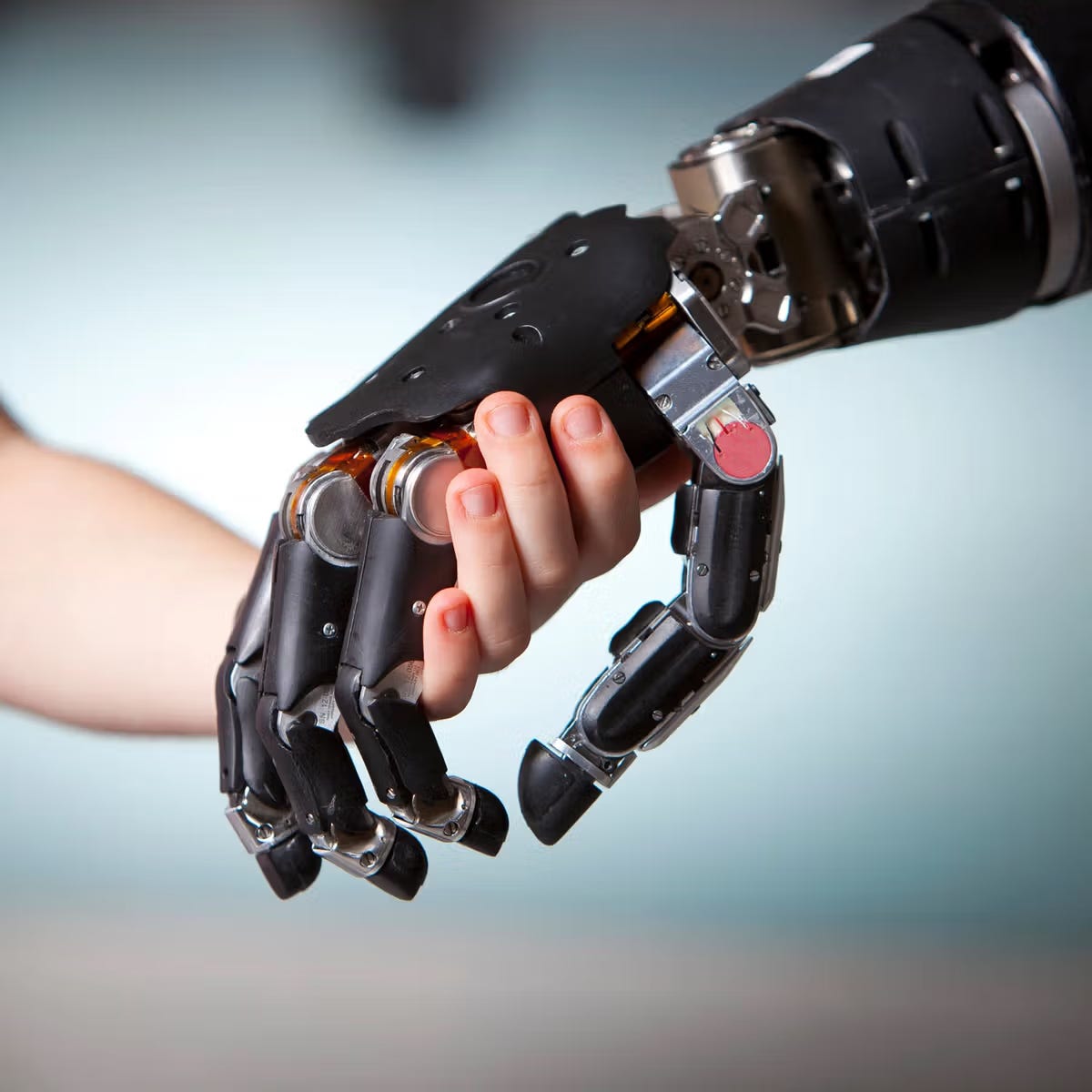
Of all the endeavors humankind has undertaken in the pursuit of mastery over nature, few are as ambitious, intimate, and profoundly personal as the quest to replace a missing limb.
Unlike bridges, buildings, or machines—whose failures and triumphs are measured in tons, torque, and tensile strength—prosthetic limbs are an entirely different breed of engineering. They must not merely function, but become part of their wearer. They must restore not only motion but dignity, not only ability but identity.
And so, dear reader, let us embark upon a most fascinating inquiry: how does one engineer something that is meant to feel like it was never engineered at all?
A History of Imitation, Adaptation, and Trial by Fire
The desire to replace lost limbs is as old as civilization itself. From the wooden toes of Ancient Egypt to the iron-studded hands of medieval knights, prosthetics have long been crude imitations of the real thing—functional, yet profoundly lacking in grace.
Consider, if you will, the case of Götz von Berlichingen, a German knight of the 16th century who, after losing his right hand in battle, had it replaced with a mechanical iron gauntlet complete with articulated fingers. It was, by the standards of its time, an engineering marvel, allowing him to grip reins, hold a quill, and, presumably, deliver the occasional backhanded slap to those who questioned his resilience.
And yet, it was still a far cry from what we would today consider a truly functional limb. The real revolution in prosthetics would not come until the modern era, when advances in material science, biomechanics, and robotics would transform crude replacements into elegant, high-functioning extensions of the human body.
The Modern Prosthetic: A Triumph of Engineering Over Biology
In the grand battle between man and nature, the human body remains an infuriatingly complex machine—one that does not take kindly to missing pieces. Muscles atrophy, nerve endings rebel, and balance becomes an unpredictable negotiation with physics.
Thus, the challenge of modern prosthetic engineering is not merely to replicate the appearance of a limb, but to restore as much natural function as possible.
To achieve this, today’s prosthetic limbs rely on three core pillars of innovation:
Material Science: Building a Limb That Feels Like It Belongs
The first rule of a prosthetic limb is that it must be worn, and if it is uncomfortable, it will not be worn at all.
Early prosthetics were heavy, rigid, and intolerably cumbersome, but today’s versions are constructed from lightweight carbon fiber, titanium, and silicone—materials chosen not just for strength, but for their ability to mimic the movement and feel of human limbs.
Advances in 3D printing now allow for fully customized prosthetics, tailored to the precise shape and weight of the wearer. Gone are the days of one-size-fits-none.
Biomechanics: The Art of Movement Without Muscles
The true difficulty in prosthetic design is not holding a cup or pressing a button, but replicating the natural, unconscious movements of a limb.
Today’s most advanced prosthetics incorporate hydraulics, microprocessors, and motorized joints, allowing users to walk, run, and even perform delicate tasks that would have been impossible with traditional designs.
Engineers have spent decades perfecting energy-return prosthetics, such as the famous blade-like running legs used by Paralympians, which store and release energy much like a human Achilles tendon.
Neural Interfaces: Teaching Machines to Listen to the Mind
The greatest challenge in prosthetics is not movement, but control. A human limb is effortless, responding to thought without hesitation—a prosthetic, by comparison, must be trained.
The latest breakthroughs in neural interfaces and myoelectric sensors allow prosthetics to be controlled by electrical signals from the wearer’s own muscles—an astonishing leap forward from the rudimentary cable-and-hook systems of the past.
Some research even explores direct brain-machine interfaces, allowing patients to control artificial limbs as naturally as their original ones—simply by thinking.
A New Frontier: The Fusion of Man and Machine
As breathtaking as these advances are, the next frontier of prosthetic engineering pushes into the realm of the truly extraordinary.
Bionic limbs that provide sensory feedback, allowing wearers to feel texture, pressure, and even temperature.
Self-learning prosthetics that adapt to the user’s movements, making adjustments in real-time for greater precision and fluidity.
Artificial limbs enhanced beyond human capability—not just replacements, but improvements, opening the door to a future where prosthetics are no longer seen as a limitation, but as an upgrade.
It is a strange and exhilarating paradox: what began as a humble effort to restore what was lost may soon lead to abilities that surpass those of the natural body.
The True Measure of a Prosthetic Limb
In the end, the success of a prosthetic is not measured in material strength, processing speed, or technological complexity.
It is measured in whether the wearer forgets they are wearing it at all.
The greatest triumph of modern prosthetics is not that they look like real limbs, or move like real limbs, or even function like real limbs. It is that they allow people to live as though they never lost anything in the first place.
And that, dear reader, is the essence of great engineering: not merely solving a problem, but erasing it entirely.